
01
Dignity
People receiving support should be treated as neighbors, with privacy and choice.
Pantry Plus More began by asking a practical question: what if students could privately get free food and essential items inside their own schools?
Amanda Bolyard: I went to college to be a teacher, and I did some field work. There was a kid that was really struggling to read, and he was in the third grade, and I asked the teacher at the time, like, what’s going on here? And she’s like, he’s hungry, you know, he has a lot of instability at home, you know, and this is basically just life as a teacher.
You see a student acting out, or you see a student falling asleep in class, and you might immediately think, okay, well, they’re just bored, or they just don’t want to be here. But then you think, were they up all night listening to somebody fighting, or were they not in a safe place where they could sleep, or did they not get a meal last night, and they haven’t eaten since lunch at school the day before?
Pantry Plus More is a 501(c)(3) nonprofit located in Morgantown, and we serve school-age children in Mon County. The mission of the pantry is to place food in schools so that children have access to that where they are.
Denisse Cabeza: I’m a single mother of six children. I just, I’m always running around. It’s just appointment after appointment, and it’s tiring some. It really is.
I’m still getting, you know, food stamps and help with those kinds of things, and I have the medical card, but when I can’t stretch it and make it, I’m still hitting that pantry.
Beyond grateful, beyond grateful for Pantry Plus. It helped me so much.
Amanda Bolyard: We work directly with the counselors who let us know, if we’re not physically at the pantry, what they’re running low on. Pantry Plus is very easy to work with.
It doesn’t cost the county, the schools, anything. We provide all of the food they need. The only thing we need from them is a little bit of space.
Julie Woolwine: Because sometimes parents can’t make it, right? Sometimes parents don’t have cars or to be able to pick up anything like that, you know, but reaching it to the schools, it’s right then and there, and they can bring that food home with them.
We would love to be in every school so that kids can get the food when they need it.
The idea that children are going hungry because they’re too embarrassed to get something that is a resource to them kills me. There should be no shame associated with poverty, but the stigma is huge.
We would like it to be where, if you go to the pantry, no one cares, no one knows. It’s no big deal if they do know. The more widely accepted it is, the less the stigma is there.
Denisse Cabeza: It’s almost like the kids, too, they feel some type of way because they feel like they’re contributing to the house, right? Like, he brings home his own little bag, and he gets what he likes out of it, right? And he puts the rest in the pantry.
School interviewee: You can’t focus on anything else if your basic needs aren’t met. Education is kind of the pathway out of poverty, and so you can’t break that cycle if you’re hungry all the time because you can’t focus on learning.
Amanda Bolyard: I always have had some guilt that I left teaching because I wasn’t strong enough to do it, so this is my way of helping teachers, helping school systems, and most importantly, helping the kids.
They’re part of our family, and we want them to know that they are part of ours, so that they can come to us.
Julie Woolwine: Just like you would go to your family for help, they can come to us for help, and we’ll do everything we can to help them.
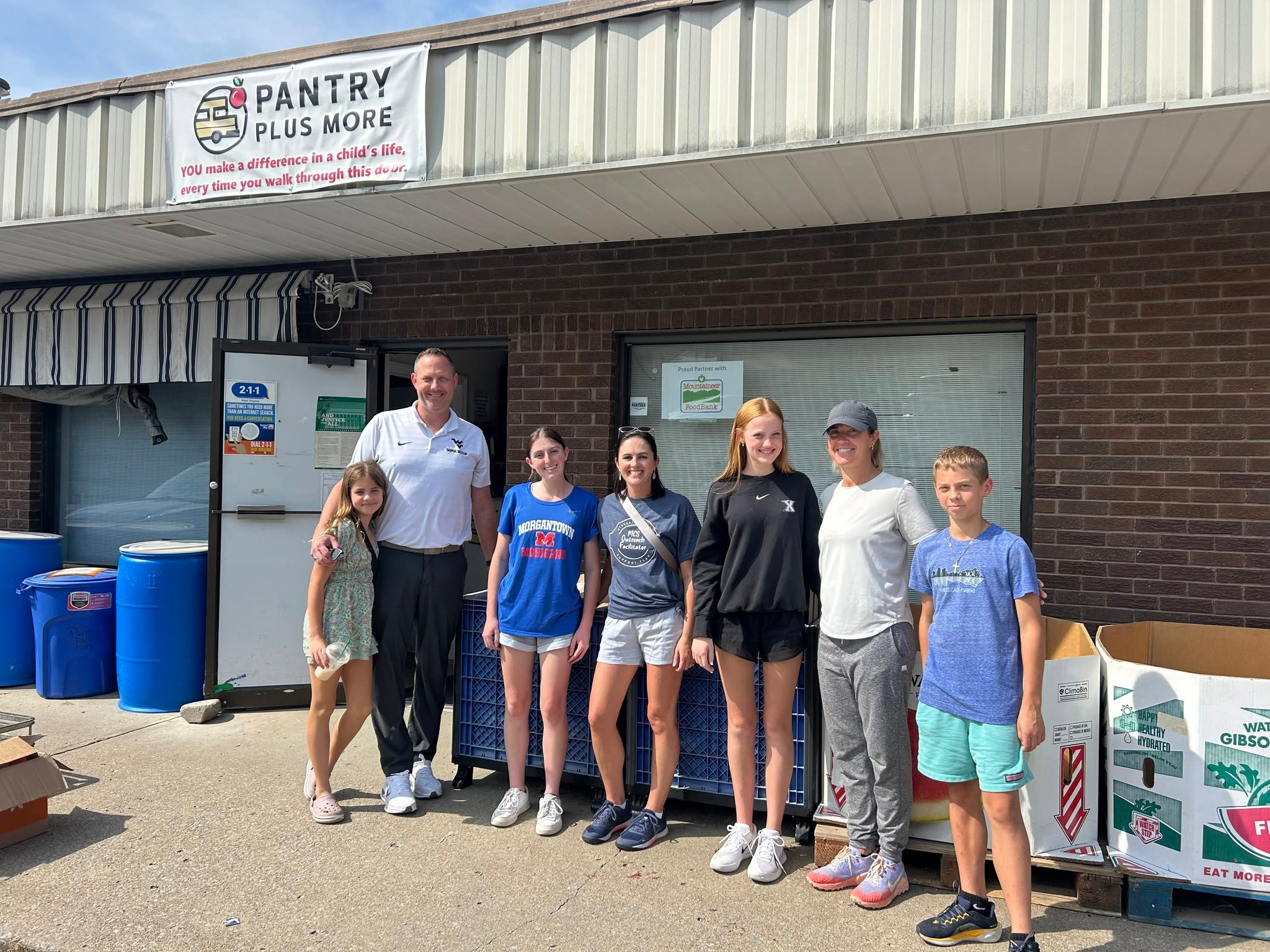
Community Support
These figures highlight Pantry Plus More’s community support efforts and include both event totals and ongoing monthly services.
7,000+Students have access to in-school pantries within 12 schools across the county.
$45,000In food and other supplies distributed across in-school pantries in 2025.